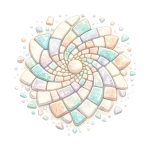

Minimalist Dessert Undergoing a Three-Dimensional Pixelized Transformation | Ai Prompt
Some images don't just capture a moment—they freeze a metamorphosis. The Minimalist Dessert Undergoing a Three-Dimensional Pixelized Transformation prompt invites AI to render a single doughnut caught between physical reality and digital abstraction, where one half remains whole while the other dissolves into floating, ingredient-revealing cubes. It's a concept that merges hyperrealistic food photography with stylish geometric deconstruction.
This article unpacks everything you need to bring that vision to life. From the exact visual details the prompt demands to the best AI tools, reference photo tips, and common pitfalls, you'll find a complete guide to generating a cinematic close-up where a doughnut's texture, colors, and form are simultaneously present and pixelated.
What this minimalist pixel-doughnut prompt is asking for
At its core, this prompt describes a hyperrealistic food photograph with a surreal twist. A single doughnut sits on a light, matte surface under studio lighting, but the image captures it mid-transformation—one side maintains its intact, glazed form, while the other side organically breaks apart into large, floating three-dimensional cubes. Those cubes are not empty blocks; each one contains visible details of the doughnut's internal texture, ingredients, and surface colors, drifting outward with a subtle motion blur to suggest ongoing fragmentation.
- A single doughnut as the sole subject, resting on a light, matte surface
- One half of the doughnut remains completely intact and realistic
- The other half fragments into large, floating 3D cubes that drift away
- Each cube reveals the doughnut's internal texture, ingredients, and colors
- Studio lighting with soft, realistic shadows and shallow depth of field
- Subtle motion blur applied to the drifting cubes for a sense of movement
The scene this prompt builds
Visualize a minimalist studio setup where a doughnut becomes the protagonist of a quiet, surreal event. The prompt specifies "a single doughnut rests on a light, matte surface" and is "captured mid-transformation into a 3D pixelized form." The lighting is controlled and soft, casting realistic shadows that anchor the intact half in the physical world, while the pixelated cubes seem to defy gravity as they drift outward in a cinematic close-up.
The composition balances stillness and motion. Clauses like "one half remains intact while the other organically fragments into large, floating cubes" and "subtle motion blur on the cubes" create a dynamic tension. The phrase "each cube revealing the object's texture, ingredients, and colours" ensures that even in deconstruction, the doughnut's identity—its glaze, crumb, and hue—remains unmistakable.
Why this transformation concept works so well
This prompt succeeds because it fuses two visually rich genres—hyperrealistic food photography and geometric abstraction—into a single, readable image. The contrast between the organic, edible doughnut and the rigid, digital cubes creates immediate visual intrigue, while the studio lighting and shallow depth of field keep the result grounded in a photographic aesthetic rather than pure fantasy. The concept also gives AI clear boundaries: half the object must stay real, half must pixelate, and the cubes must carry identifiable texture and color.
- The half-and-half composition provides a strong focal point and a natural narrative of transformation.
- Revealing internal ingredients inside each cube adds a layer of discovery, making the image more than just a special effect.
- Cinematic lighting and soft shadows maintain photographic realism, preventing the scene from looking like a flat digital graphic.
Three visual styles this prompt can use
While the prompt is already quite specific, you can steer the AI toward three distinct stylistic interpretations without breaking its core instructions. All three stay within the minimalist food photograph framework and use the same pixelized transformation concept, but they shift the mood and material emphasis.
- Hyperrealistic Commercial: Emphasize glossy glaze textures, crumb detail, and studio-perfect lighting as if for a high-end food campaign.
- Cinematic Dark Mood: Deepen the shadows, add a slight vignette, and let the floating cubes catch dramatic rim light against a darker matte surface.
- Geometric Minimalist: Make the cubes perfectly sharp and grid-aligned, with the intact doughnut half rendered in almost sculptural simplicity.
How to generate this pixelized doughnut image
Generating this image successfully requires a careful workflow, from preparing your reference to checking the final output for common AI mistakes. Follow these steps to get a result where the doughnut's transformation looks intentional and polished.
- Copy the prompt exactly. Use the full prompt text as provided, including the aspect ratio specification, to preserve the intended composition and lighting.
- Upload a reference photo. Provide a clear, well-lit photo of a single doughnut on a plain surface to guide the AI's understanding of texture, glaze, and realistic shadows.
- Generate in your chosen tool. Run the prompt in an AI image generator that supports photographic realism, such as Midjourney or Leonardo AI, and generate multiple variations.
- Check the doughnut's intact half. Examine the realistic side for correct shape, glaze consistency, and any unwanted distortions on the surface or edges.
- Inspect the floating cubes. Ensure each cube visibly contains doughnut texture and color, not generic blocks, and that the motion blur looks natural.
- Review hands and face. Though this prompt does not include people, if any accidental human elements appear, verify anatomy and remove them in a subsequent edit.
Choosing the right reference photo
A strong reference photo dramatically improves the AI's ability to render the intact doughnut half with believable texture and lighting. The reference does not need to show any pixelation—it should simply be a clean, high-resolution image of a doughnut that matches the minimalist aesthetic described in the prompt.
- Use a front-facing or slightly angled shot of a single doughnut on a plain, light, matte background to match the studio setup.
- Ensure the doughnut's glaze, crumbs, and any filling are sharply visible so the AI can replicate those details in both the intact half and the cubes.
- Avoid busy backgrounds or additional props; the reference should be as minimalist as the final image to keep the AI focused on the subject.
Best AI tools for this prompt
Different AI image generators handle hyperrealistic food and geometric abstraction with varying success. The table below compares four accessible tools and notes how each one can serve this specific doughnut transformation prompt.
| Tool | Access | Typical realism | Useful here for |
|---|---|---|---|
| ChatGPT | DALL·E integration | Good, with strong prompt adherence | Rendering the half-intact doughnut with accurate glaze and soft studio shadows |
| Google Gemini | Imagen integration | Very high, photorealistic output | Capturing subtle motion blur on the floating cubes while keeping the doughnut texture readable |
| Leonardo AI | Web platform, free tier available | High, with fine control | Generating the geometric abstraction of large 3D cubes that clearly reveal internal doughnut ingredients |
| Midjourney | Discord-based, paid subscriptions | Excellent, cinematic quality | Producing the cinematic close-up with shallow depth of field and tasteful perspective on the light matte surface |
Three tips for better results
Small adjustments to your workflow can make a big difference in how convincingly the doughnut's pixelated transformation reads. These tips focus on real materials and objects mentioned in the prompt.
- Emphasize the doughnut's glaze in your reference photo—highlights on the shiny surface help the AI distinguish the intact half from the matte background.
- If the cubes appear empty, add a negative prompt like 'hollow blocks, blank cubes' to push the AI toward filling them with crumb and color.
- Use the 'shallow depth of field' instruction to your advantage by letting the farthest floating cubes blur slightly, which reinforces the motion blur and keeps focus on the intact doughnut.
Common issues and how to fix them
Even with a well-written prompt, AI can misinterpret certain elements. The table below lists four frequent failures this prompt can produce and the specific changes to make in your prompt or settings to correct them.
| Issue | What to change |
|---|---|
| Cubes look like solid gray blocks without texture | Add 'each cube clearly shows doughnut crumb, glaze, and filling' or increase weight on 'hyperrealistic detail' |
| The intact half also starts pixelating | Reinforce with 'exactly one half remains perfectly intact, the other half fragments' and lower the style influence |
| Motion blur smears the cubes into unreadable streaks | Reduce the motion blur strength by specifying 'subtle, minimal motion blur only on the outermost cubes' |
| Lighting looks flat and digital, lacking soft shadows | Add 'studio softbox lighting, realistic cast shadows on the matte surface' and use a photorealistic model |
Frequently Asked Questions
Can I use a different dessert instead of a doughnut?
Yes, the pixelized transformation concept works with any single dessert that has visible internal texture, such as a slice of cake or a filled pastry. Just replace 'doughnut' in the prompt and adjust the reference photo accordingly.
Why are my floating cubes not showing any doughnut details?
This usually happens when the AI interprets 'cubes' as generic 3D shapes. Add a phrase like 'each cube contains a cross-section of the doughnut's crumb and glaze' to force the texture mapping onto the cube faces.
What aspect ratio works best for this prompt?
The prompt specifies a 1:1 square aspect ratio, which suits the centered, symmetrical composition. If you need a different ratio, adjust it, but keep the doughnut centrally framed to maintain the minimalist balance.
Conclusion
The Minimalist Dessert Undergoing a Three-Dimensional Pixelized Transformation prompt offers a striking blend of food photography and digital art that feels both elegant and experimental. By focusing on a single doughnut caught between wholeness and fragmentation, it creates a narrative of deconstruction that is visually clean yet conceptually rich. With the right reference photo, careful tool selection, and attention to cube detail, you can generate an image where every pixel block tells part of the dessert's story. Whether you lean into hyperrealistic glaze or moody cinematic lighting, the result is a conversation-starting piece that showcases AI's ability to merge the edible with the abstract.
Remember to use a reference photo you have the right to edit, ensuring your final image is both original and compliant with usage terms.


